Impounding and Crushing Scooters: Why Police Raids Cannot Substitute for Transport Planning
Managing Transport Through Confiscation
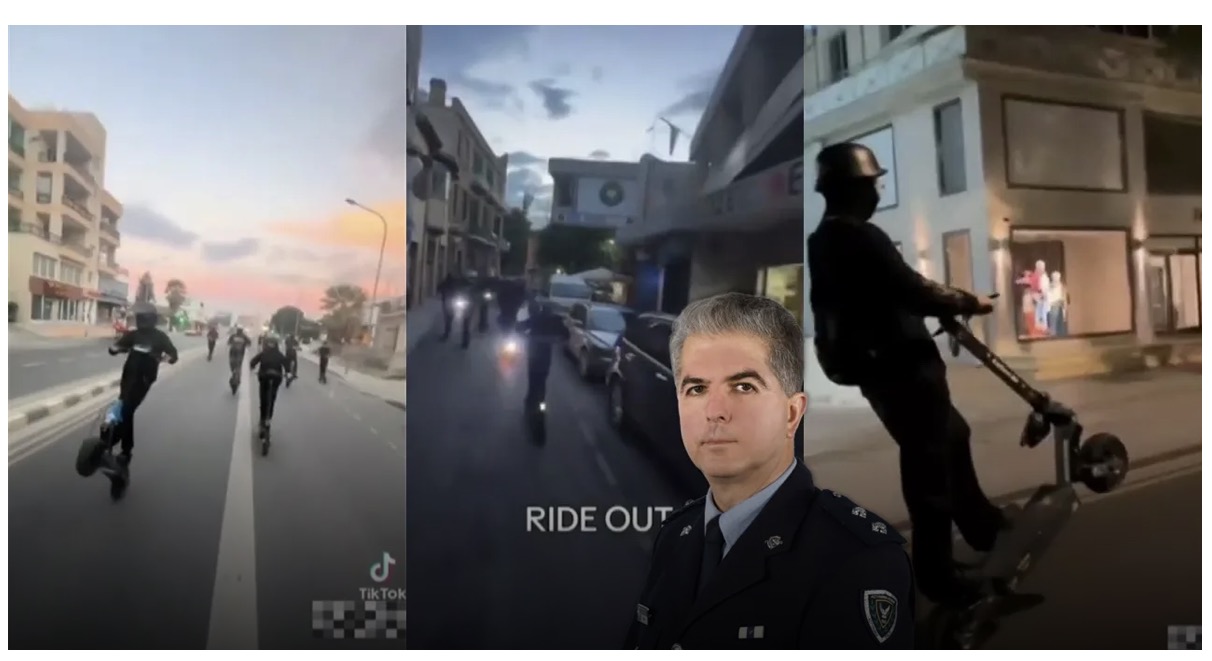
The forthcoming ministerial decree reported by AlphaNews, granting Cyprus Police the power to impound electric scooters for thirty to ninety days and ultimately destroy non-compliant machines, represents the state reaching for its blunt edge. Under the draft regulation completing legal vetting, devices caught exceeding statutory speeds, circulating on high-speed motorways, or ridden by underage youths will be physically removed from streets and sent to scrap crushers if uncollected or uncertified.
Removing dangerous, illegal machinery from the public highway is a legitimate safety measure. When private scooters are modified to reach speeds of fifty or sixty kilometers per hour, they cease to function as personal light electric vehicles and become unregistered mopeds. However, treating urban micro-mobility primarily as a public order offense handled by frontline police officers misdiagnoses the cause of the crisis.
The Operational Burden on Frontline Officers
Police union representatives have openly questioned the practical reality of enforcing this decree. Expecting patrol officers to pursue young riders through dense traffic corridors invites catastrophic collisions during the interception itself.
Furthermore, police stations possess neither the physical yard capacity nor the administrative resources to impound, register, store, and process thousands of confiscated electronic frames. While officers on the street are tasked with impounding devices one by one, retail stores and import warehouses continue selling non-compliant machines with complete freedom. Regulating traffic by chasing individual riders after machines hit the asphalt is the most inefficient, high-risk enforcement strategy available.
A Safe System Tackles the Root of Kinetic Risk
Under the Safe System framework, preventing severe trauma requires engineering systems that minimize human conflict before journeys even begin:
- Market control at customs and retail: Seizures must occur at port containers and commercial dealerships. Any light electric vehicle entering Cyprus must carry an unalterable, factory-certified speed limiter hardwired to statutory limits. Allowing illegal machines to be sold legally and then penalizing buyers for riding them on public roads is an administrative contradiction.
- Protected physical right-of-way: Minors and commuters take to multi-lane avenues and footpaths because cities have spent years talking about sustainable mobility without building continuous, protected bicycle corridors. When riders have dedicated, separated lanes, interactions with heavy motor vehicles and vulnerable pedestrians disappear naturally.
- Automated fleet management through ITS: For shared commercial fleets, municipal licensing must require active GPS geofencing, automatically governing speeds to walking pace in shared pedestrian zones and completely deactivating motors on prohibited high-speed arterials.
The Scrap Crusher Is Not an Urban Mobility Policy
Impounding tampered scooters and confiscating machines operating on high-speed motorways is necessary to preserve basic order. Yet no European city has ever built a functioning urban transport network through vehicle confiscation alone.
A modern transport policy does not measure success by how many light electric vehicles it sends to the scrap heap. It measures success by how many citizens can complete their daily urban journeys safely without driving a two-ton car. Until the Ministry of Transport pairs enforcement with rigorous border import checks and rapid construction of safe, segregated cycle networks, police impound lots will overflow while urban roads remain dangerous for everyone.
--- Reference: Based on reporting and ministerial decree coverage by [AlphaNews](https://www.alphanews.live/cyprus/sfingei-o-kloios-gia-ta-skouter-pote-tha-kataschontai-kai-pote-tha-katastrefontai/).
About ITS Cyprus
ITS Cyprus brings together public authorities, research and industry to advance Intelligent Transport Systems in Cyprus, through initiatives such as Road to Zero Cyprus for road safety.
Learn more about ITS Cyprus →