Micro-Mobility Is a Solution, Not a Problem: Reclaiming Streets from Car Hegemony
Confronting the Instinct to Ban What We Refuse to Plan For
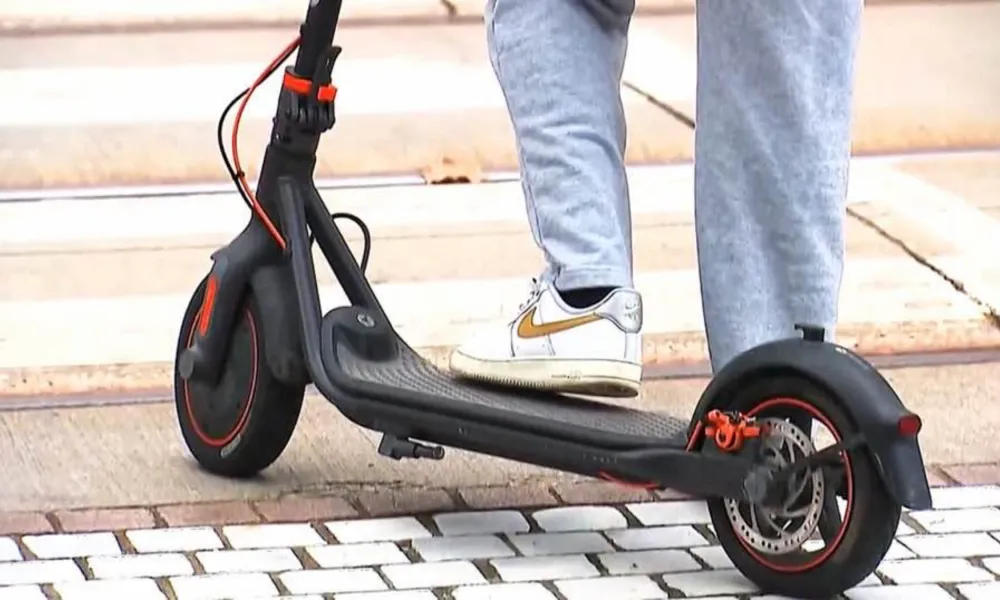
The recent intervention by Associate Professor Loukas Dimitriou on Politis Radio offered a grounded, scientific counterweight to the panic surrounding light electric vehicles in Cyprus. In public discussions dominated by demands for total bans and police crackdowns, Dimitriou stated a fundamental truth: micro-mobility is not an urban problem; it is an indispensable part of the solution to traffic congestion.
The hostility directed at electric scooters across Cypriot towns reflects a deep-seated cultural assumption that streets belong exclusively to motor vehicles. For over four decades, transport investments in Cyprus have prioritized moving and storing private cars. When lightweight, zero-emission devices appeared on the scene, offering a practical alternative for short trips and university commutes, the urban environment offered them nowhere safe to go. Blaming the vehicle for the friction that followed avoids examining the failure to build modern, multi-modal infrastructure.
The Physics of Street Space and Vulnerable Users
The tension on our streets is caused by a dangerous physical mismatch. A standard urban road forces electric scooters and bicycles to choose between two unacceptable options: sharing broken, narrow sidewalks with pedestrians, or riding directly among speeding SUVs and commercial trucks on multi-lane carriageways.
Under the Safe System framework, the primary responsibility of road designers is to manage kinetic energy. Mixing high-speed, heavy motor traffic with unprotected road users traveling at 20 km/h is a guaranteed recipe for severe trauma. The answer is neither banishing scooters nor forcing them onto footpaths. The answer is reallocating physical asphalt from general traffic lanes and excessive curbside parking to create continuous, physically protected micro-mobility tracks. When cyclists and scooter riders have their own protected space, sidewalk conflicts vanish and roadway friction drops immediately.
What Modern Cities Learn from Micro-Mobility Integration
Cities across Europe that succeeded in reducing private car dependence did not do so by outlawing scooters. They integrated them into an Intelligent Transport Systems framework:
- Digital speed and parking zones: Implementing GPS geofencing across shared scooter fleets automatically caps speeds in busy pedestrian precincts and restricts parking strictly to designated painted bays, eliminating sidewalk clutter.
- Speed management across neighbourhood streets: Lowering default speed limits to 30 km/h on residential streets allows light vehicles, bicycles, and cars to share the roadway safely without needing separate physical barriers on every side street.
- Closing the first-and-last mile gap: Integrating scooter hubs with public bus stations allows commuters to complete journeys that are too long to walk and too short to justify driving, driving passenger growth for mass transit.
Sharing the Street Fairly
Streets are public spaces funded by all citizens, not private preserves for cars. Demanding the removal of electric scooters because our cities built no lanes for them is an admission of administrative failure.
Local councils and the Ministry of Transport must heed the advice of transport engineers: build protected micro-mobility corridors, lower vehicle speeds in residential areas, and use digital fleet controls to keep the peace. Micro-mobility provides a clean, affordable, and flexible way to navigate dense urban areas. The task for Limassol, Nicosia, and every Cypriot town is to give it the safe space it deserves.
--- Reference: Based on the interview of Associate Professor Loukas Dimitriou on [Politis](https://www.politis.com.cy/politis-news/koinonia/1055377/loykas-dimitrioy-h-mikrokinitikotita-den-inai-provlima-inai-lysi-oi-dromoi-den-anikoyn-mono-sta-autokinita-ikhitiko).
About ITS Cyprus
ITS Cyprus brings together public authorities, research and industry to advance Intelligent Transport Systems in Cyprus, through initiatives such as Road to Zero Cyprus for road safety.
Learn more about ITS Cyprus →