Pedestrianising Oxford Street: What Cyprus Can Learn from London Reclaiming Public Space
Two Diverging Directions for Urban Space
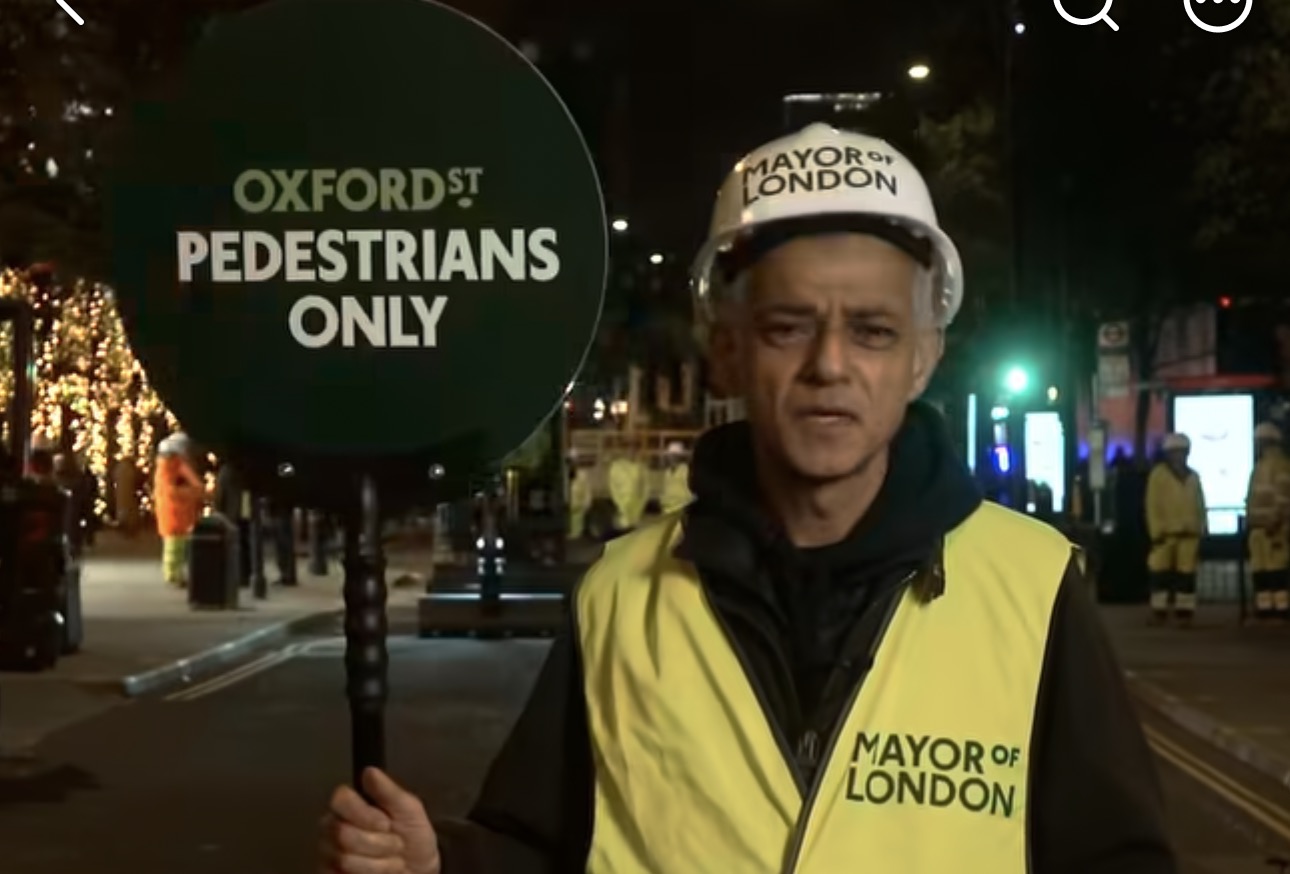
The contrast between international urban planning and the local political debate in Cyprus could not be sharper. As reported by Politis, London marked a historic turning point today, October 26, by permanently closing a major stretch of Oxford Street to motor vehicles, launching its transformation into a world-class pedestrian plaza. London Mayor Sadiq Khan advanced the scheme to breathe new life into one of Europe's premier commercial avenues, reducing toxic air pollution and creating a calm, green public realm designed for people rather than vehicles.
Meanwhile, in Cyprus, the debate moves in reverse. In Limassol, municipal councillors recently argued that streets around newly pedestrianised areas like Heroes Square should reopen to motor traffic during the day. Local merchants continue demanding more car access and multi-storey parking garages, repeating the misconception that an urban street cannot survive commercially unless drivers can pull up directly outside shopfronts.
The Proven Mechanics of Walkable Retail
London’s decision to remove buses, black cabs, and cars from Oxford Street was not driven by hostility toward commerce, but by economic survival. When half a million people visit a shopping district daily, forcing pedestrians onto crowded footpaths while metal vehicles occupy the center of the roadway destroys the customer experience.
Retail studies across European cities consistently demonstrate clear outcomes:
- Footfall drives retail spending: Motorists driving past shop windows at speed rarely make spontaneous purchases. Pedestrians who walk in comfort, browse without noise, and cross streets freely visit shops more frequently and spend substantially more per visit.
- Dwell time equals commercial resilience: Cities like Ljubljana, Strasbourg, and Pontevedra that removed vehicles from their historic centers experienced retail booms. Independent cafes, boutique retail, and cultural activities thrive when people feel safe to linger.
- The mall competition trap: High streets in Cyprus cannot out-park an out-of-town shopping mall. Attempting to compete with suburban malls by stacking cars on downtown curbs degrades the historic identity and walkability that make city centers unique.
Lessons for Limassol and Cypriot Towns
The lesson from Oxford Street applies directly to corridors like Anexartisias, Heroes Square, and historic downtown cores across Cyprus:
- Stop backtracking on pedestrian progress: When public funds are invested to regenerate historic squares and pedestrianise retail streets, municipal councils must defend those gains. Reopening streets to cars under the pretext of summer heat or convenience undoes years of urban planning.
- Bioclimatic comfort instead of car exhaust: To address high Mediterranean temperatures, cities must invest in continuous architectural shading, dense native tree canopies, and cooling water features, not invite internal combustion engines back into pedestrian spaces.
- Perimeter access and micro-transit: London does not trap visitors outside the city; it brings them to the perimeter via high-capacity rail and bus interchanges. Limassol must pair pedestrian cores with peripheral Park and Ride hubs and zero-emission electric shuttles that drop visitors at the threshold of the pedestrian zone.
A modern city measures its success by the quality of its public life, the safety of its crosswalks, and the vitality of its footpaths. The choice facing Limassol and Cyprus is straightforward: follow European capitals by giving public space back to people, or keep treating historic streets as outdoor parking lots.
--- Reference: Based on reporting and analysis by [Politis](https://www.politis.com.cy/politis-news/kosmos/1057961/istoriki-mera-ghia-to-londino-h-oxford-street-ghinetai-pezodromos-tin-wra-poy-stin-kypro-zitoun-anoighma-dromon-ghia-ta-autokinita).
About ITS Cyprus
ITS Cyprus brings together public authorities, research and industry to advance Intelligent Transport Systems in Cyprus, through initiatives such as Road to Zero Cyprus for road safety.
Learn more about ITS Cyprus →